Too Big to Feel Like Home: What Happens When the Community You Built Outgrows You
There's a particular kind of grief that hits when the thing you helped build becomes something you barely recognize. For longtime fan community builders across the US, explosive growth isn't always cause for pure celebration — it's often the beginning of a quiet, complicated mourning.
Ask anyone who's been part of a tight-knit fan space from the early days, and they'll tell you the same thing: there was a version of this community that felt like a secret worth keeping. A Discord server where everyone knew each other's usernames. A subreddit where inside jokes could survive for years without needing explanation. A fan forum where the regulars showed up so reliably you could almost set your clock by them.
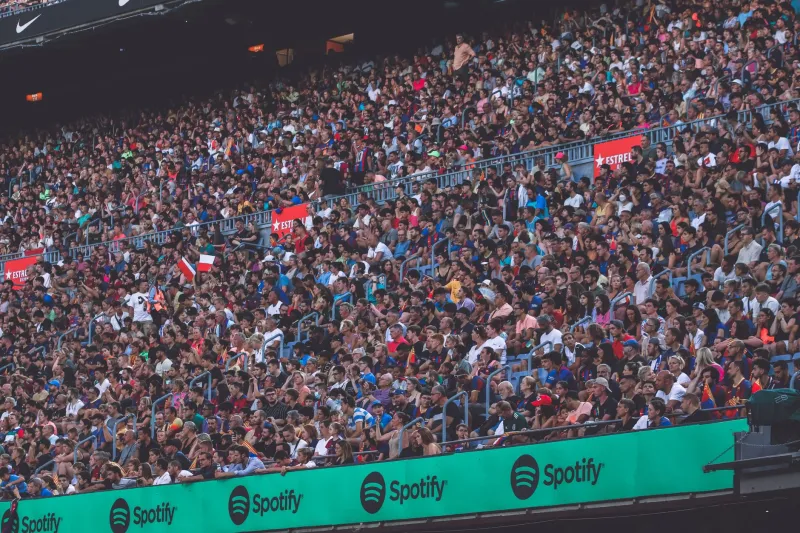
Then something shifted. Maybe the band got a sync deal in a major Netflix series. Maybe the creator went viral. Maybe a celebrity tweeted about it. And just like that, the quiet campfire became a stadium concert.
When the Numbers Stop Feeling Like Wins
Marcus, who has moderated a fan community for an indie rock act out of the Pacific Northwest since 2018, remembers the exact week everything changed. "We hit 10,000 members and I thought, okay, this is it — we made it," he says. "By the time we got to 80,000, I didn't recognize half the conversations happening in there. It was like walking into your childhood home and finding strangers had moved all the furniture."
That disorientation is more common than most community builders will admit publicly. The milestone announcements still go up. The growth charts still get celebrated. But behind the scenes, founding members are quietly asking each other: Is this still ours?
It's not a selfish question, even if it can feel like one. Fan communities don't just carry enthusiasm — they carry culture. Shared language, collective memory, unwritten rules about how to treat each other, what's worth debating, and what's considered sacred. When membership scales faster than that culture can be transmitted, something gets lost in translation.
The Culture Dilution Problem
Social scientists have a term for what happens to organizations when they grow beyond a certain threshold: cultural dilution. The norms that once regulated behavior organically — because everyone more or less knew everyone else — stop functioning when the crowd gets too large for social accountability to work.
Fan communities aren't immune to this. In fact, they might be especially vulnerable to it, because so much of what makes them valuable is feeling, not function. The sense that you're among people who get it. That you don't have to explain why something matters. That showing up is enough to belong.
Jada, who co-founded a fan hub for a popular cosplay community out of Atlanta, watched her space go from 200 dedicated members to over 50,000 followers across platforms in less than two years. "The intimacy was the whole point," she says. "We were building something for people who'd been made to feel like their passion was weird or niche. When it blew up, suddenly we had a whole new crowd who didn't have that shared experience. They were fans, sure, but they weren't our fans. And figuring out how to hold both of those things at once nearly broke us."
The Impossible Math of Moderation
Growth also changes the math of keeping a community healthy. What two or three dedicated moderators could manage when membership was in the hundreds becomes an infrastructure problem at tens of thousands. New members bring new conflicts, new interpretations of community rules, and new expectations — often shaped by whatever platform they migrated from.
Long-time members start to feel like they're constantly re-litigating debates that were settled years ago. Newcomers, who have no context for those earlier conversations, can't understand why certain topics feel loaded. The result is a community that's perpetually stuck in a cycle of explaining itself to itself.
"We spent so much time onboarding," Marcus says, "that we stopped having the kinds of conversations that made us worth joining in the first place."
Some communities respond by creating tiered systems — verified longtime members, private channels for founding regulars, a kind of inner circle that preserves the original culture while the public-facing space absorbs the growth. It's a practical solution, but it comes with its own complications. The very thing that made these spaces special — their openness, their lack of gatekeeping — starts to erode the moment you start drawing lines.
Grieving Without Guilt
What's rarely talked about openly is the emotional weight that community builders carry when growth stops feeling like a gift. There's an implicit cultural message in fandom spaces that more is always better, that going mainstream is the dream, that growth equals validation. Admitting you're grieving the smaller version of something feels ungrateful — even disloyal to the people who helped it grow.
But grief and gratitude aren't mutually exclusive. You can be genuinely proud of what your community became while still mourning what it used to be. Those feelings can coexist, even if it's uncomfortable.
Jada puts it plainly: "I love that more people found us. I really do. But I also miss the version of this where I knew everyone's name. Both of those things are true, and I had to stop apologizing for the second one."
Carrying the Flame Forward, Not Backward
The communities that seem to navigate explosive growth most successfully aren't the ones that resist change — they're the ones that get intentional about it. They document their history. They create rituals that connect new members to the founding culture. They give longtime members visible roles that honor their investment without creating a permanent hierarchy.
Most importantly, they make space for the conversation that growth makes uncomfortable: What are we now, and what do we want to stay?
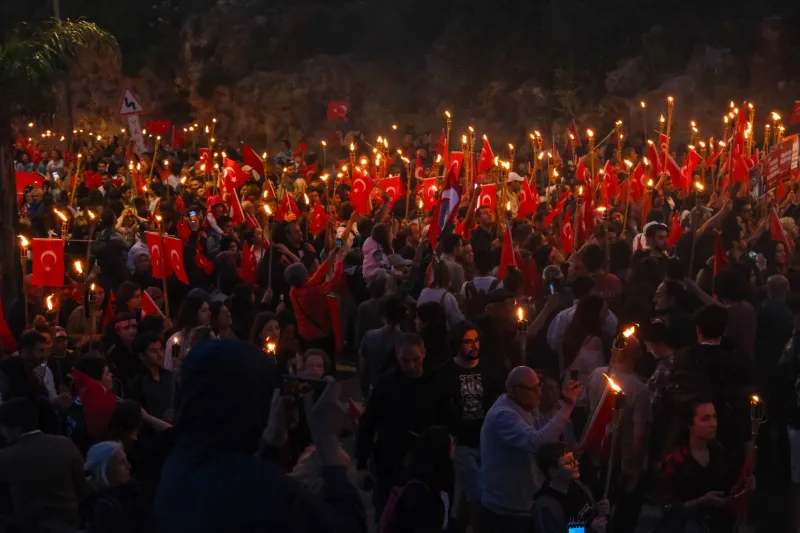
That's not a question with a clean answer. Fan communities are living things, and living things change. The torch doesn't stay in one pair of hands forever — that's the whole point of passing it. But there's a difference between evolution and erasure, and the communities worth staying in are the ones honest enough to know which one they're experiencing.
The campfire that became a stadium concert is still burning. Whether it still feels like yours is a harder question — and one more community builders are finally letting themselves ask out loud.